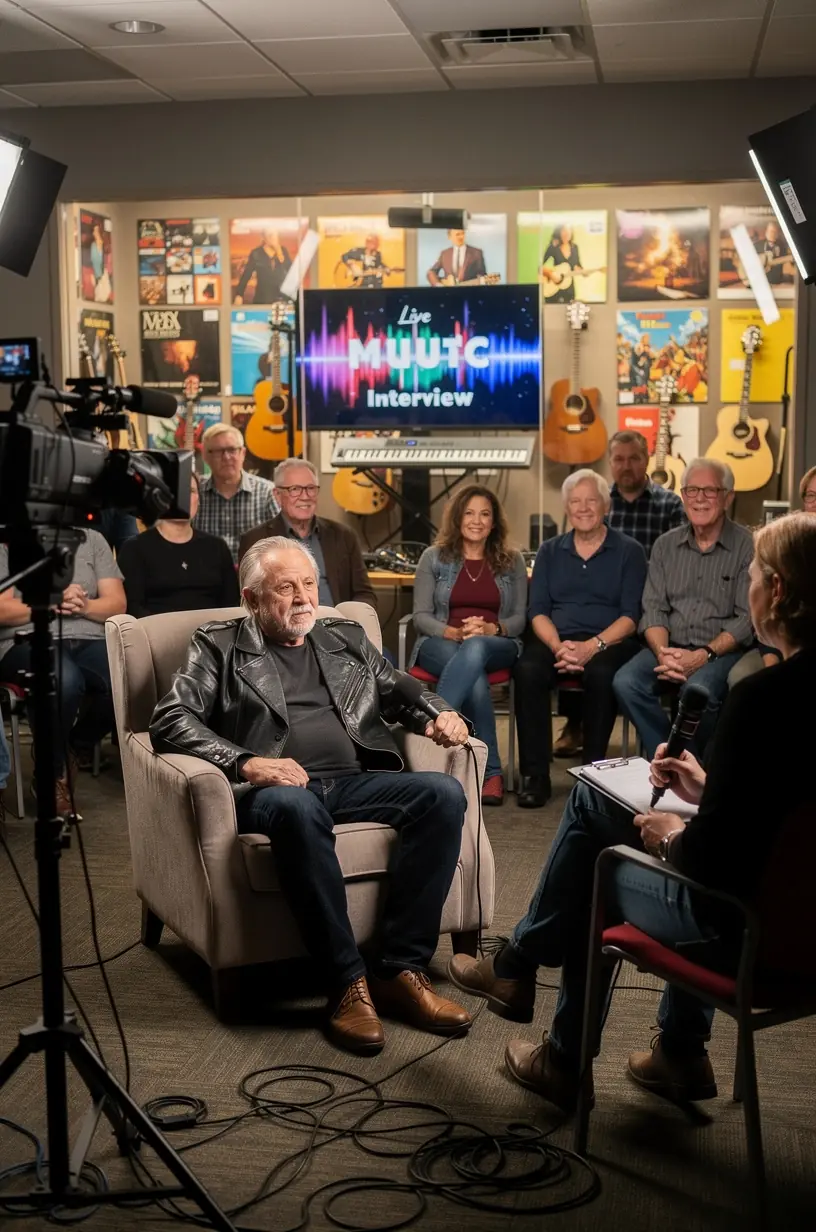
Exploring the Connection Between Music and Nostalgia
Music often evokes powerful memories and emotions, creating a sense of nostalgia that can enhance our leisure experiences. This article delves into the psychological connection between music and nostalgia, providing insights into how this relationship can be leveraged for a more enriching social and cultural life, particularly for audiences aged 40 to 60.
Understanding the Basics of Music and Nostalgia
Research indicates that music has a unique capacity to trigger emotional responses and memories. According to a study published in the journal Psychology of Music, participants often associate specific songs with pivotal moments in their lives, enabling them to relive experiences that shaped their identities. This phenomenon occurs because music can stimulate the hippocampus, the brain region involved in memory formation.
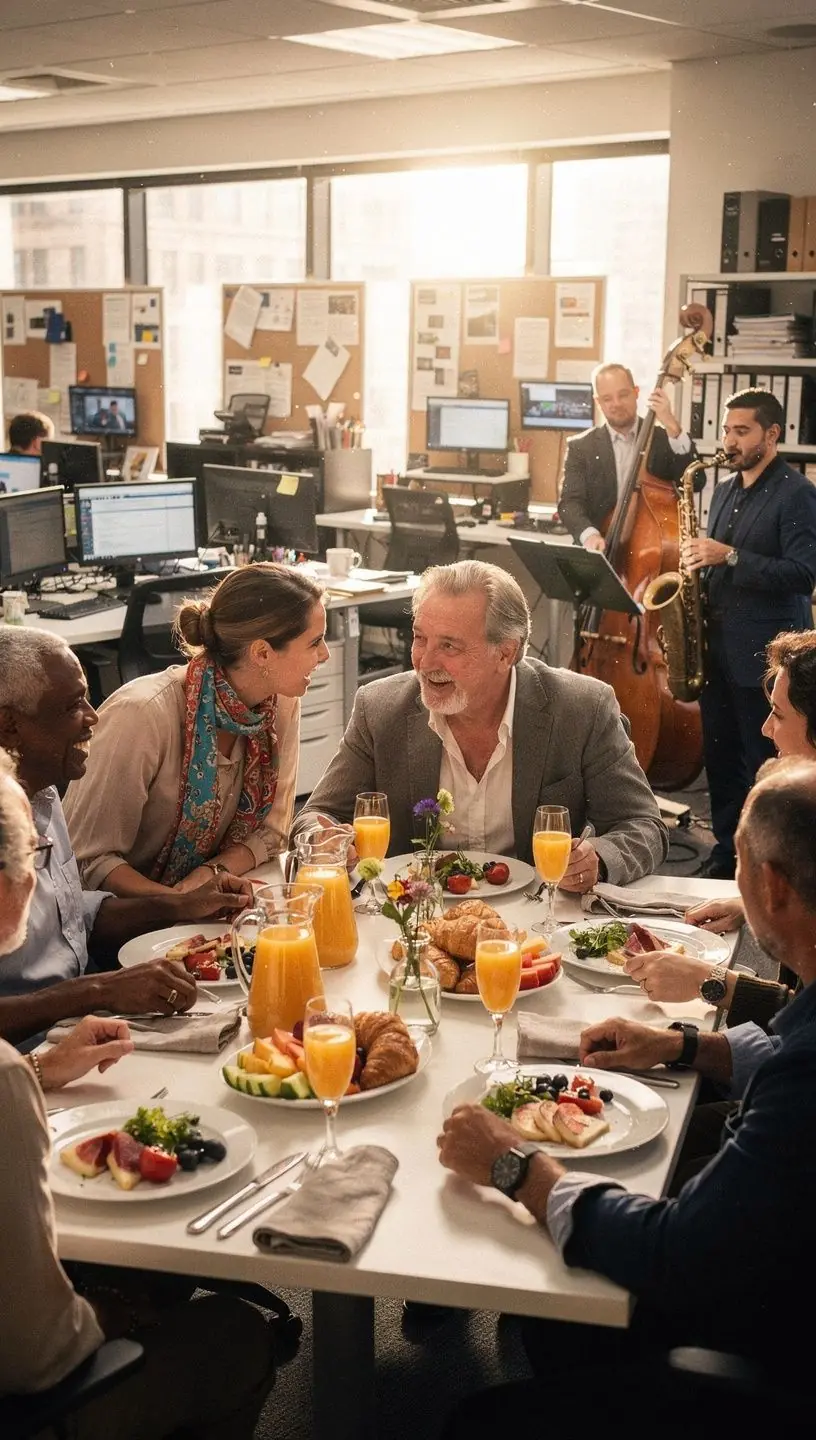
"Music not only enhances our emotional states but also serves as a powerful cue for retrieving personal memories, often leading to intense feelings of nostalgia." - Dr. Susan Johnson, Neuropsychologist
The Emotional Impact of Nostalgia in Music
Nostalgia can serve various functions in our lives, particularly in how we connect with others and enhance our social experiences. Many users report that reminiscing about past events through music leads to feelings of warmth and belonging. This emotional connection can foster a sense of community in social settings, particularly in themed nights and concerts aimed at the 40 to 60 age group.
Benefits of Engaging with Nostalgic Music
- Enhances Social Bonding: Sharing music from one's youth can create a shared experience, strengthening relationships among attendees.
- Promotes Emotional Well-being: Engaging with nostalgic tunes can elevate mood and combat feelings of loneliness, which is particularly relevant for many in the 40-60 demographic.
- Facilitates Memory Recall: Listening to familiar songs can help trigger memories, allowing individuals to connect with their past and share stories with others.
Practical Applications for Music and Nostalgia
To effectively utilize the connection between music and nostalgia in social settings, consider the following steps:
- Curate Playlists: Develop playlists that resonate with the target audience's formative years. This typically requires understanding the popular genres and artists from those decades.
- Host Themed Events: Organize concerts or themed nights that revolve around specific musical eras or genres, encouraging attendees to share their personal stories and experiences related to the music.
- Encourage Participation: Create opportunities for audience members to share their favorite songs or memories connected to the music being played. This fosters a sense of community and belonging.
Acknowledging the Limitations
While engaging with nostalgia through music can be effective, it's essential to acknowledge that this approach may not resonate with everyone. Some individuals may not have strong emotional connections to the music of their youth, or they may prefer contemporary genres. Therefore, it’s crucial to provide a balanced mix of music that accommodates various preferences.
Conclusion
In conclusion, the profound connection between music and nostalgia offers numerous benefits, particularly for social events catering to the 40-60 age group. By understanding how music can evoke memories and emotions, organizers can create more engaging experiences that foster community and connection. Ultimately, while the effectiveness of these approaches can vary, many users find that nostalgia can enhance their enjoyment of music and leisure activities.