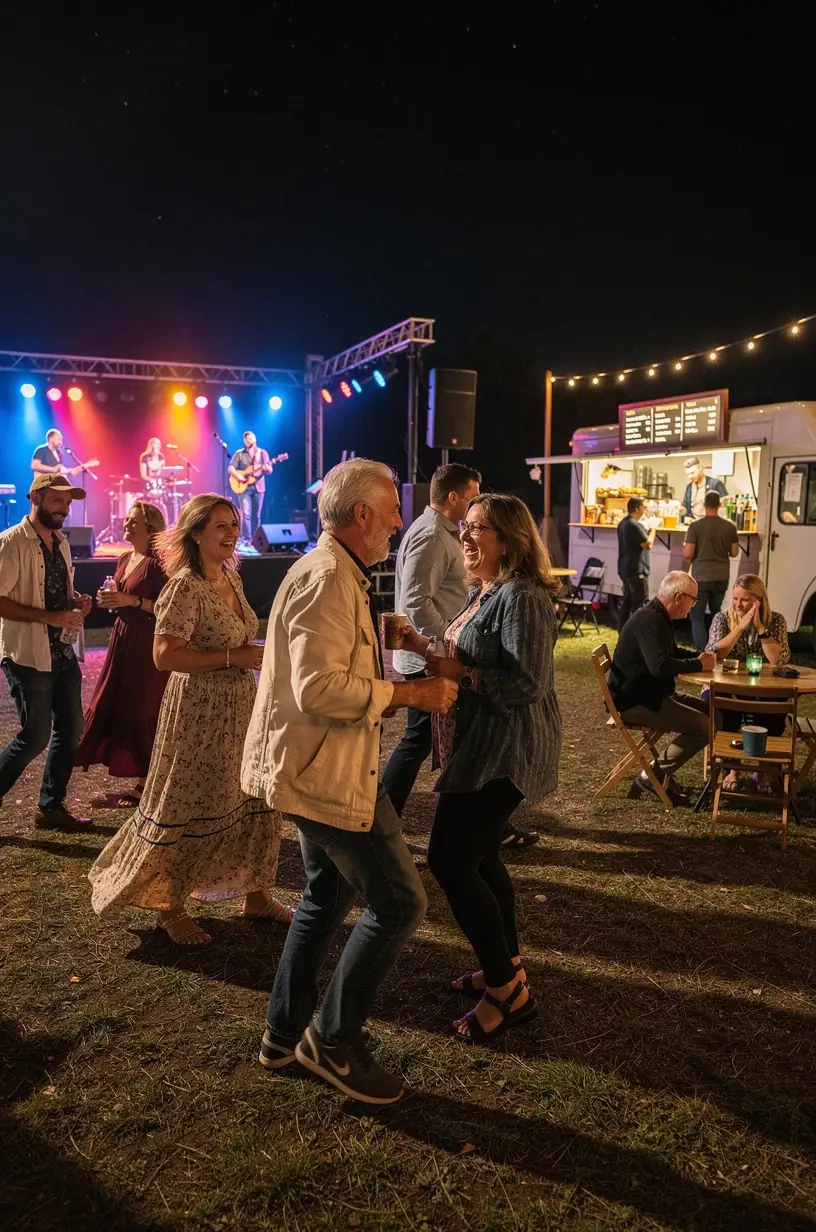
Exploring the Benefits of Live Music Experiences
In a world increasingly dominated by digital interactions, the allure of live music experiences remains strong, particularly for those aged 40 to 60. This article explores the various benefits of attending live concerts and events, emphasizing the deeper connections and enriching experiences they provide.
Understanding the Psychological Benefits
Research indicates that participation in live music events can enhance emotional well-being. A study published in Psychology of Music found that attending concerts fosters a sense of community and belonging, which can significantly boost mood and reduce feelings of isolation. Many users report that the shared experience of live music allows them to connect not only with the artists but also with fellow audience members.

"Live music has the power to evoke emotions and memories, creating a profound sense of connection among attendees." - Music Therapy Expert
Physical Benefits of Attending Concerts
Engaging with live music not only improves mental health but can also contribute positively to physical health. According to a study by the University College London, attending live music events can increase heart rate and stimulate positive endorphin release, providing a natural high similar to exercise. Experts recommend that incorporating live music into your leisure activities can be an effective way to enhance overall health.
Social Connections and Networking
Live music events often serve as social hubs, allowing individuals to expand their social circles. Here are some benefits related to social interactions at concerts:
- Networking Opportunities: Attending themed nights or concerts can lead to valuable networking opportunities, particularly for those looking to connect with like-minded individuals.
- Strengthening Relationships: Sharing live music experiences with friends or family can strengthen bonds and create lasting memories.
- Community Building: Many local festivals and concerts focus on community engagement, promoting a sense of belonging and support.
Improved Cognitive Function
Engaging with live music can also stimulate cognitive functions. According to research from the Journal of Neuroscience, listening to live music can enhance memory, focus, and even creativity. This is particularly beneficial for the 40-60 age group, as maintaining cognitive health becomes increasingly important.
Realistic Expectations for Attending Live Music Events
While the benefits of live music are clear, it's important to approach these experiences with realistic expectations:
- Time Commitment: Depending on the type of event, planning and attending a concert can require a time investment ranging from a few hours to an entire weekend.
- Effort to Engage: Engaging fully in the experience might involve stepping out of your comfort zone, especially if you're attending alone or trying a new genre.
- Availability: Not all live music events will appeal to everyone; it may take some exploration to find events that resonate with your tastes.
Conclusion
In conclusion, the benefits of attending live music experiences extend beyond mere entertainment. From psychological and physical health improvements to enhanced social connections and cognitive function, these events offer valuable contributions to overall well-being. By setting realistic expectations and remaining open to new experiences, individuals aged 40 to 60 can enjoy and reap the rewards of live music in their lives.
Learn More