Practical Tips for Organizing a Successful Social Club
If you're considering organizing a social club focused on music and leisure for audiences aged 40 to 60, it's essential to have a well-thought-out plan. This article outlines practical tips to help you create an engaging and enjoyable experience for your members.
Understanding the Basics
To start a successful social club, it’s crucial to understand your target audience. According to recent surveys, many individuals in the 40-60 age range seek social connections that align with their interests, particularly in music and leisure. Experts recommend clearly defining your club's purpose to attract like-minded individuals.
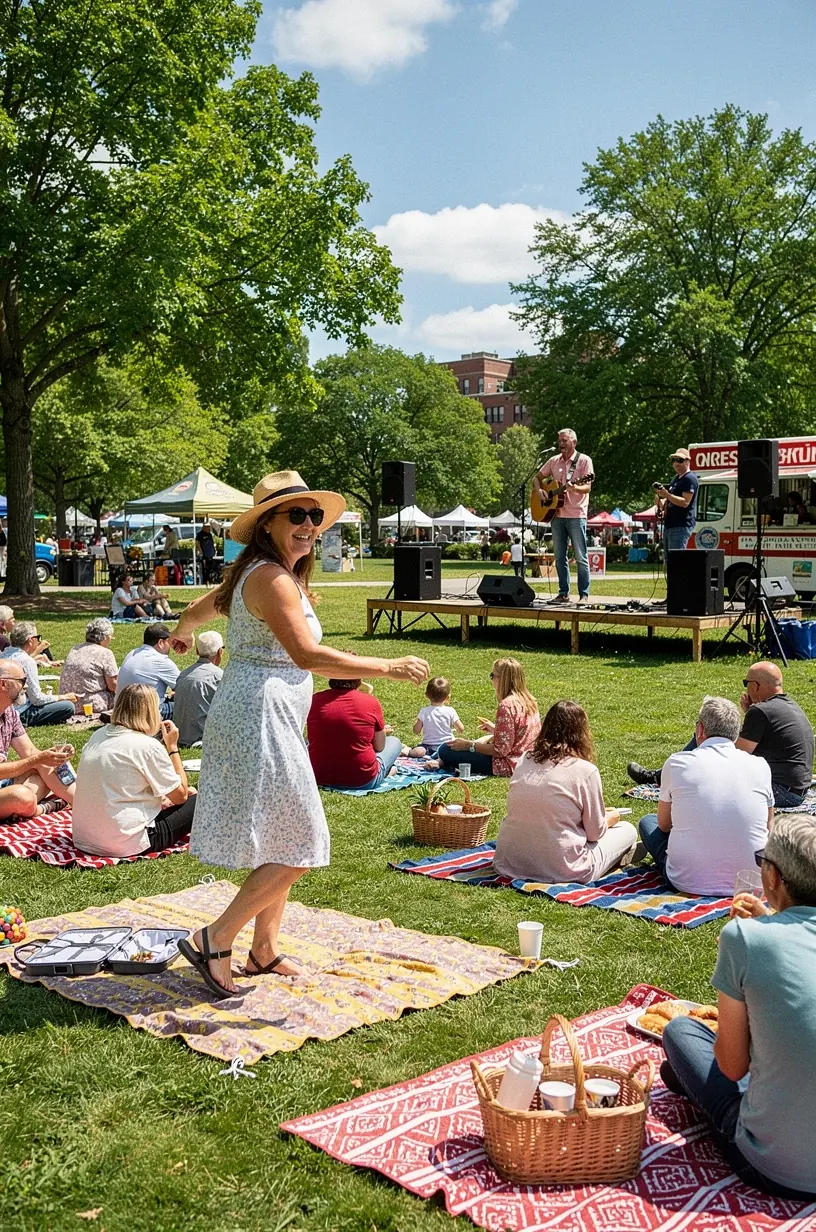
"A clear purpose and structure can enhance member engagement and satisfaction." - Industry Expert
Defining Your Club's Objectives
Establishing the core objectives of your social club is vital. This process typically involves:
- Identifying Interests: Gather insights about what your potential members enjoy. Surveys and informal discussions can provide valuable information.
- Setting Goals: Define what you want to achieve with your club - whether it's hosting monthly concerts, themed nights, or simply providing a space for social interaction.
- Creating a Structure: Develop a framework for how your club will operate, including membership rules, event planning methodologies, and communication channels.
Planning Engaging Events
Events are the heartbeat of any social club. Many club organizers find that diverse activities can enhance member engagement. Consider the following:
- Variety of Activities: Incorporate a mix of events such as live music nights, dance classes, and themed parties. Research shows that offering varied experiences can keep members interested and engaged.
- Feedback Mechanism: Implement a system for collecting feedback after events to understand what works and what doesn’t. This allows you to adjust future events to better meet member expectations.
- Collaboration: Partner with local musicians or artists to host events. This not only provides fresh content but also supports the local community.
Fostering Community and Connections
Building a sense of community is essential for any social club. Here are some strategies that can help:
- Regular Communication: Use newsletters or social media to keep members informed about upcoming events and share highlights from past gatherings.
- Social Media Groups: Create private groups on platforms like Facebook where members can interact, share experiences, and plan informal meetups.
- Member Recognition: Celebrate birthdays or milestones within the group. Recognizing members fosters a sense of belonging and appreciation.
Conclusion
Organizing a successful social club for the 40-60 age group can be a rewarding endeavor. By understanding your audience, defining clear objectives, planning engaging events, and fostering community connections, you can create a vibrant social environment. Remember, the journey to building a thriving club typically requires patience and adaptability. Focus on providing value to your members, and your efforts may lead to long-term success.