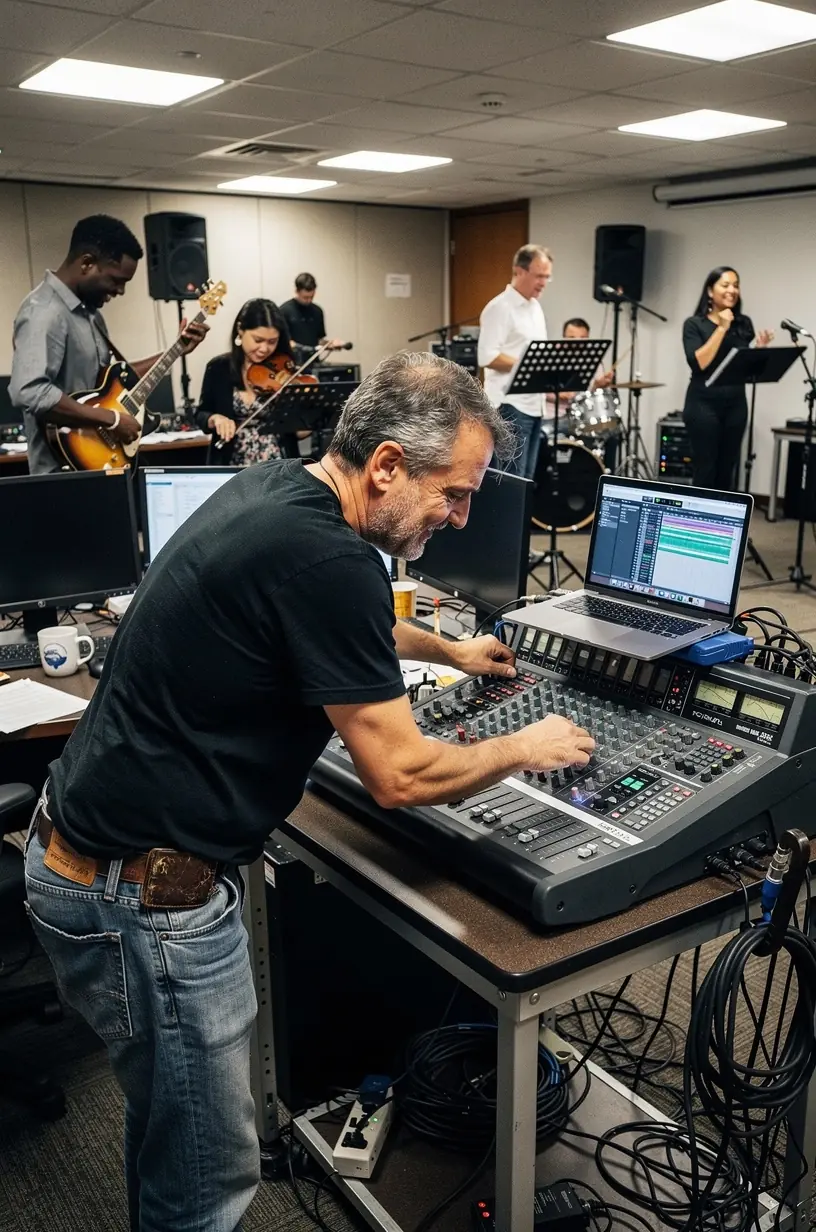
The Impact of Local Venues on Arts and Culture
Local venues play a crucial role in shaping arts and culture within communities, particularly for individuals aged 40 to 60. This article explores the multifaceted impact of these venues on local culture, community engagement, and the arts.
Understanding the Role of Local Venues
Local venues, including concert halls, theaters, and social clubs, serve as important spaces for artistic expression and community interaction. According to research, these venues often act as cultural hubs, where creativity thrives and diverse audiences gather.

"Local venues are essential for fostering a sense of community and cultural identity." - Arts and Culture Expert
Why Local Venues Matter
There are several reasons why local venues significantly influence arts and culture:
- Accessibility: Local venues provide accessible spaces for artists to showcase their work, often at a lower cost than larger venues. This accessibility allows for a wider variety of performances and exhibitions that cater to local tastes.
- Community Engagement: Venues typically host events that foster community involvement, such as themed nights and social gatherings. These events can help build social connections among attendees, enhancing community ties.
- Economic Impact: Research indicates that local venues contribute to the local economy by attracting visitors and creating jobs. For instance, a report from the National Endowment for the Arts states that arts-related events can generate significant revenue for local businesses.
Challenges Faced by Local Venues
While local venues have many benefits, they also face certain challenges:
- Funding: Securing funding can be a significant hurdle for local venues, which often operate on tight budgets. Many rely on grants or community support, which can fluctuate based on economic conditions.
- Competition: Local venues may compete with larger, established establishments that can offer more extensive marketing and resources. This competition can make it challenging for smaller venues to attract audiences.
- Changing Audience Preferences: As demographics shift, venues need to adapt to changing audience preferences, which may require them to diversify their programming to include different genres and styles.
Building a Stronger Arts Community
To maximize the impact of local venues on arts and culture, communities can take several steps:
- Support Local Artists: Encouraging local talent by providing platforms for them to showcase their work can help sustain the arts in the community.
- Collaborate with Local Organizations: Partnerships between venues and local non-profits or schools can enhance programming and broaden outreach.
- Invest in Marketing: Effective marketing strategies can help local venues reach a larger audience, making it worthwhile for them to invest in promotional efforts.
Conclusion
Local venues are vital in shaping arts and culture within communities, particularly for adults aged 40 to 60. While they face challenges, their potential for fostering community connections and supporting local artists is significant. By understanding the importance of these venues and working to support them, communities can create vibrant cultural landscapes that enrich lives.