Understanding the Evolution of Concert Formats
The music industry has undergone significant changes over the past few decades, particularly in how concerts are formatted and experienced. In this article, we will explore the evolution of concert formats and their impact on audience engagement in the United States.
From Traditional to Modern Concerts
Concert formats have evolved from simple performances in small venues to elaborate productions that include immersive experiences. According to research by the National Endowment for the Arts, many users report a preference for interactive and themed concerts, which can enhance their overall enjoyment.

"Live music has the potential to create a deep emotional connection with audiences, especially when the format allows for engagement." - Music Industry Expert
The Role of Technology
Technology has played a crucial role in shaping concert experiences. Many experts recommend that artists leverage digital platforms to reach wider audiences and diversify their concert formats. For instance, live streaming has become a popular method for artists to connect with fans who cannot attend in person, offering a blend of traditional and virtual concert experiences.
Variety of Concert Formats
Modern concerts can vary greatly in format, including:
- Intimate Acoustic Sets: Typically held in smaller venues, these concerts focus on the artist’s musical ability and foster a closer connection with the audience.
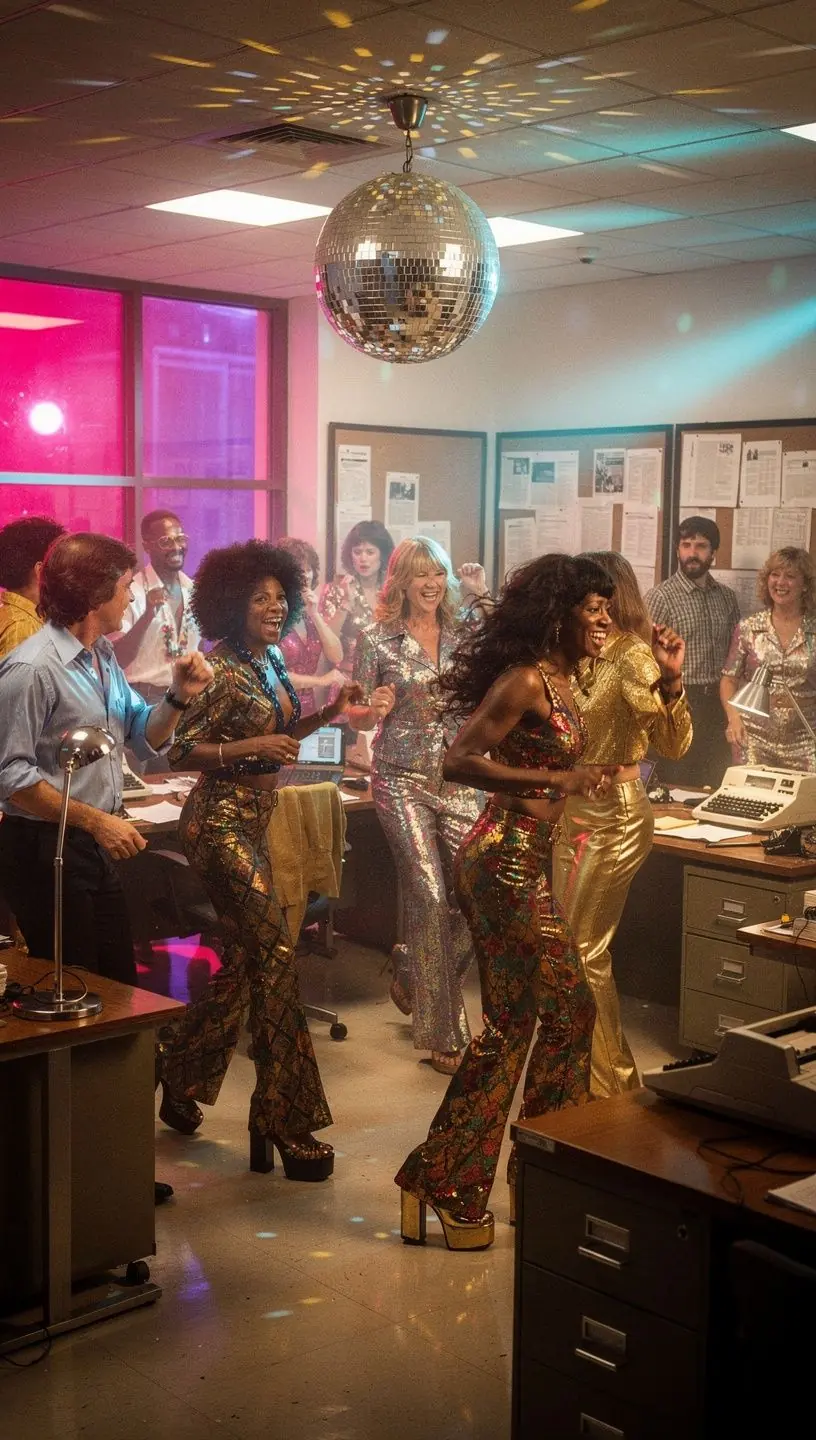
- Themed Nights: Often organized around specific genres or eras, themed nights invite audiences to engage more deeply with the music, enhancing their enjoyment.
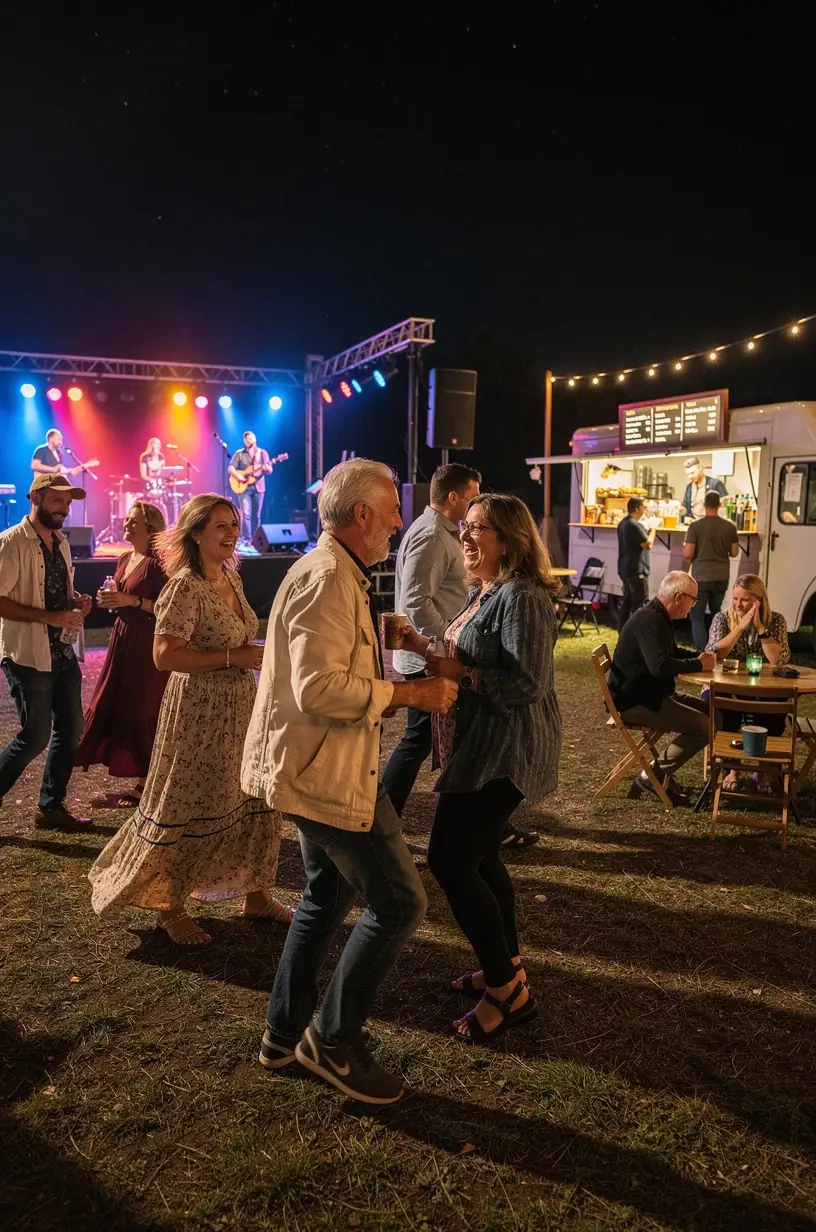
- Large-Scale Festivals: These events often feature multiple artists and stages, creating a festival atmosphere that encourages social interaction among attendees.
Importance of Audience Feedback
Many organizers incorporate audience feedback when planning concerts. A study published in the Journal of Performing Arts indicated that events that adapt to audience preferences can see an increase in attendance and satisfaction levels. This is why understanding the target demographic, particularly for ages 40-60, is essential for event planners.
Feedback Mechanisms
Implementing effective feedback mechanisms can involve:
- Post-event surveys that assess audience enjoyment and suggestions for future events.
- Engagement through social media to gauge interest in various concert formats.
- Direct outreach to loyal attendees to understand their preferences and expectations.
Conclusion
The evolution of concert formats reflects broader trends in the music industry and audience expectations. By adapting to new technologies and embracing innovative formats, concert organizers can foster deeper connections with their audience. As the landscape continues to change, staying informed about trends and audience preferences will be crucial for success in the future. Remember that effective concert planning often requires a balance between creativity and a deep understanding of your audience's needs.